IS AMERICA BETTER FOR ME?
Somethimes the grass is greener, and sometimes it is simply different grass.
Somethimes the grass is greener, and sometimes it is simply different grass.
These are difficult questions, but they deserve to be asked.
Because the next time you climb into a ride-hailing vehicle, take a moment to look beyond the dashboard.
There is a person sitting behind that steering wheel.
A person trying to make a living.
A person with a story.
And perhaps, just like Thabo, Tina, and William, a person simply trying to make it through another day.
Seaweed farming is rapidly becoming one of the most exciting agricultural opportunities on Earth. Often described as one of the fastest growing forms of aquaculture, it has the potential to supply food, create employment, support industry, and strengthen coastal economies while working in harmony with nature. As the global population continues to grow and agricultural land becomes increasingly limited, the ocean offers an opportunity that has remained largely untapped.
One of the most significant advantages of social media monetisation is accessibility. Unlike traditional industries that often require formal qualifications or substantial capital, content creation is open to anyone with a smartphone and internet access. This democratisation of opportunity is particularly important in South Africa, where unemployment remains high and access to formal employment can be limited. A creative individual with consistency and a clear niche can build an audience and begin earning without needing to enter the conventional job market.
Today, her career has come full circle. The industries she operates in now, logistics, distribution, industrial operations, and sectors linked to construction and supply, connect directly back to those early experiences of physical work, structure, and production.
At a global level, tensions between these major powers disrupt trade, weaken investor confidence, and create volatility in commodity and financial markets. South Africa, as an emerging economy with strong ties to both Western and Eastern partners, often finds itself indirectly exposed. When uncertainty rises, global investors tend to retreat from riskier markets, which can reduce foreign capital inflows into South Africa, including property investment.
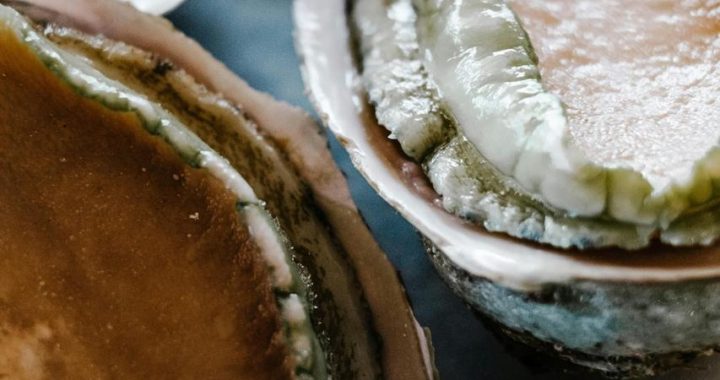
South Africa’s coastline tells many stories, but few are as complex and valuable as that of Abalone farming. Known locally as “perlemoen”,this marine delicacy has grown into one of the country’s most lucrative aquaculture products. Yet, behind its glossy export success lies a fragile industry shaped by risk, resilience, and ongoing challenges.
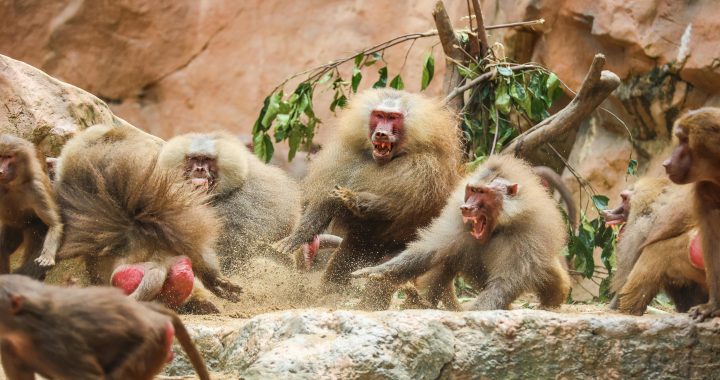
The types of animals that cause damage vary widely depending on the region and the type of farming. In fruit-producing areas such as the Western Cape, baboons, porcupines, and birds can cause extensive losses. Baboons have learned to open irrigation taps, tear protective nets, and strip fruit trees in a matter of hours. In grain and maize belts, large flocks of birds can devastate entire fields. Farmers in the Eastern Cape and KwaZulu-Natal struggle with bushpigs and warthogs digging up roots and damaging young plants, while in the Northern Cape and Limpopo, predators such as jackals, caracals, and leopards attack sheep, goats, and calves.
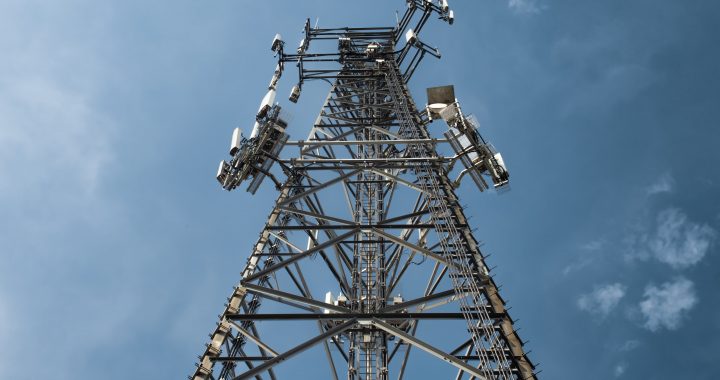
In the ever-expanding world of wireless connectivity, a common challenge many face is ensuring a strong and reliable WiFi signal throughout their living or working spaces.
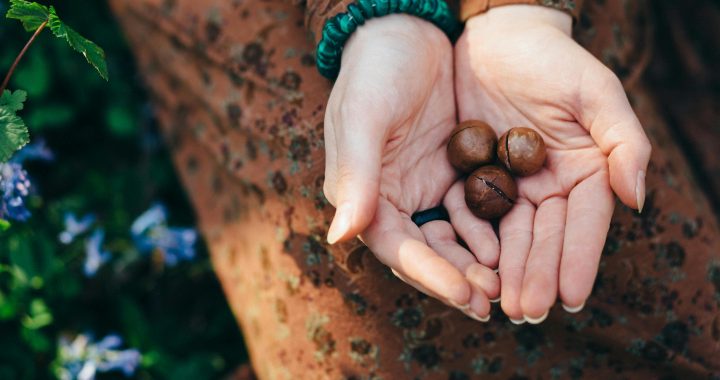
Macadamia farming is labour-intensive: over 10,000 permanent jobs, plus around 9,000 seasonal jobs. The industry funds training schemes like RecruitAgri, which have placed most graduates into work.
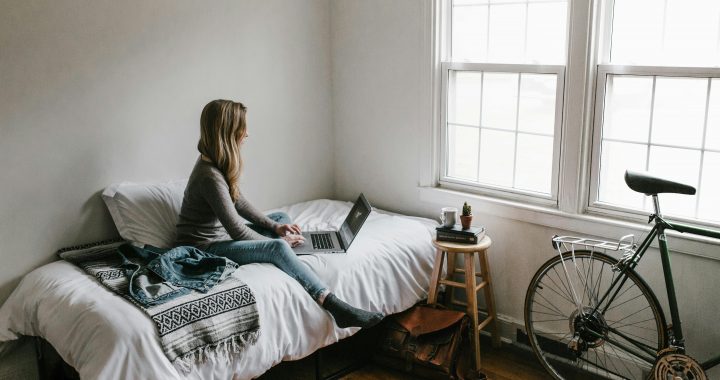
Then there is the issue of blurred boundaries. When your lounge is your office, it becomes difficult to switch off. Emails creep into dinner time. WhatsApp messages ping long after sunset. Lunch breaks become shorter and harder to protect. Over time, this lack of structure can lead to burnout, a slow but real fatigue that creeps in unnoticed.
“You have to go deeper here,” Kyle said. “Superficial products do not survive. People see through it. You need real connection.”
Even as a teenager, Maria was finding her feet in business. She sold Lip-Ice at school and worked at a local video store—simple ventures, but ones that taught her responsibility and the basics of thinking like a business owner.
Though initially disappointed, he took this as an opportunity to create something tailored to local conditions. He assembled a team of experts and advisors, funding the research entirely on his own. The development and validation of the system took nearly four years, culminating in the registration of the PlantSap® trademark and concept in 2021.
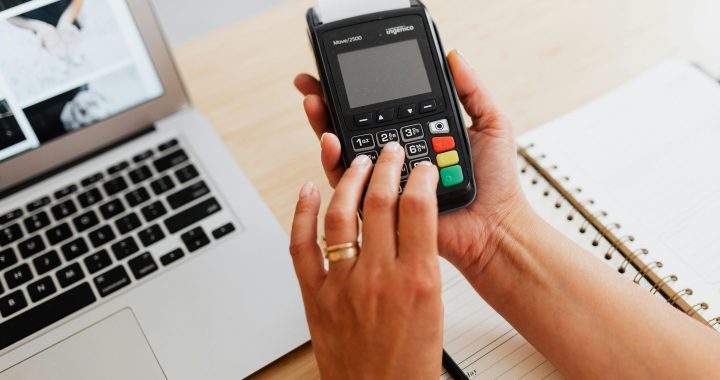
Physical cash provides a tangible way to manage personal finances. When people use cash, they are often more conscious of their spending, helping to prevent impulsive purchases. Studies suggest that using physical money creates a psychological awareness of expenditure that digital transactions lack, making it a useful tool for those trying to stick to a budget.
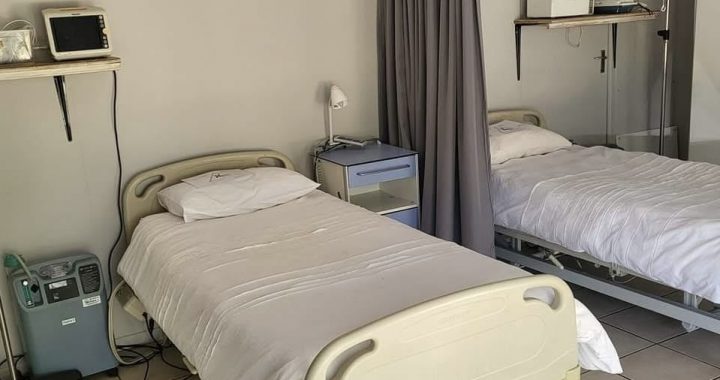
Our facility is designed to offer both comfort and care. Each of our 16 residents has their own private bedroom and en-suite bathroom, allowing them the dignity of personal space while living in a safe, supportive environment. This setup helps residents feel at home, encouraging independence within a caring community.
Born and raised as an only child in the small town of Lichtenburg, Leander grew up in a household where dedication and discipline were the cornerstones. His parents, both government teachers, worked tirelessly to provide him with the best opportunities within their means. From them, he learned the value of perseverance and financial prudence—lessons that would serve as the bedrock of his entrepreneurial ambitions.
If he could advise his younger self, it would be simple: “Trust the process. Every challenge is a chance to grow.” Darius Boshoff’s journey was more than a story of success; it was a testament to the power of purpose, resilience, and innovation.
Pumpkins, with their round, bright orange shapes, might seem like an innocent vegetable on most
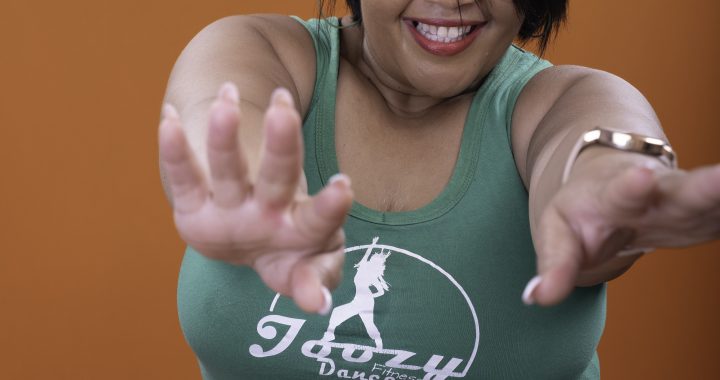
“I dance a lot,” she reflects, her words underscored by a profound sense of joy. In fact, she dances for at least three hours a day, most days of the week. For her, it’s not just about the movement but the emotional release it brings. “I’m happy…truly happy,” Lyndall shares. “I go through life with a smile, despite the challenges, and people know this about me. It’s because I dance.”