Forged Through Hard Work
Today, her career has come full circle. The industries she operates in now, logistics, distribution, industrial operations, and sectors linked to construction and supply, connect directly back to those early experiences of physical work, structure, and production.
Lolo Modise Papo’s story begins in the Free State, far from corporate boardrooms and executive titles. She was born the daughter of farmworkers, in an environment where survival was part of daily life and responsibility arrived early.
“I come from humble beginnings,” she says. “Nothing was handed to us.”
She is one of five children, the second of four daughters. In their household, discipline, resilience, and hard work were not abstract values spoken about occasionally. They were necessary parts of everyday living. The family later moved to the North West Province, where she began her schooling and started developing the determination that would later define her business career.
As a child, she excelled in sport, particularly middle-distance running. Her speed and endurance earned her the nickname “Zola Bud”, a reference familiar to many South Africans who grew up admiring athletic excellence. Sport became more than an activity. It taught her how to endure discomfort, remain focused under pressure, and continue pushing forward even when conditions became difficult.
Looking back, she recognises how deeply those lessons shaped her future.
“Sport taught me discipline and endurance,” she explains. “Those lessons carried into every part of my life.”
Another major influence was her father. During her teenage years, he taught her how to use a paint roller while standing on scaffolding. At the time, it seemed like a practical task, simply part of helping where needed. Years later, she would recognise its deeper significance.
“That was my first exposure to building and creating something tangible,” she says. “I did not realise then how important that lesson would become.”
Today, her career has come full circle. The industries she operates in now, logistics, distribution, industrial operations, and sectors linked to construction and supply, connect directly back to those early experiences of physical work, structure, and production.
Her path into these industries, however, was not planned from the beginning.
Initially, her career took a very different direction. She trained and worked in healthcare, specifically in radiography and health diagnostics. It was a technical and structured environment that demanded precision and professionalism.
“I never imagined that I would eventually move into industries like construction, transport, or manufacturing,” she says.
That transition happened when she joined her father in his brick manufacturing and distribution business. It was not part of a carefully mapped strategy. Instead, it was an opportunity that required her to adapt quickly and learn an entirely different world from the inside out.
The environment was demanding. Production, logistics, and distribution are industries driven by pressure, deadlines, and operational efficiency. They are also sectors historically dominated by men.
“It was physically and mentally demanding,” she explains. “I had to learn quickly and prove myself through my work.”
That experience became the foundation of her business career. It exposed her to operations, movement of goods, supply chains, and the realities of managing production and delivery systems. More importantly, it showed her how industries function at ground level.
Rather than entering leadership from a distance, she learned through direct involvement.
“I had to understand the work before I could lead people doing it,” she says.
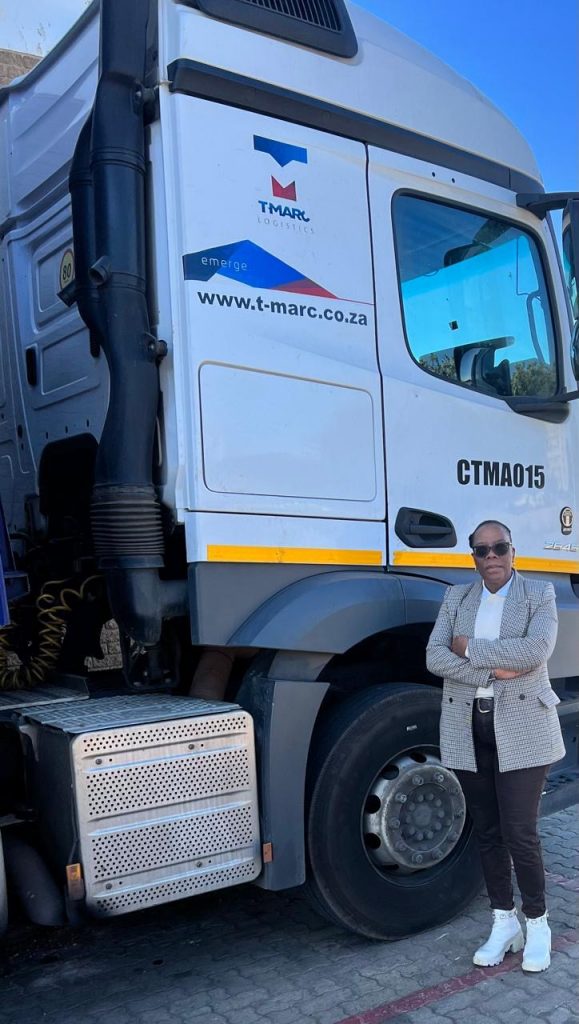
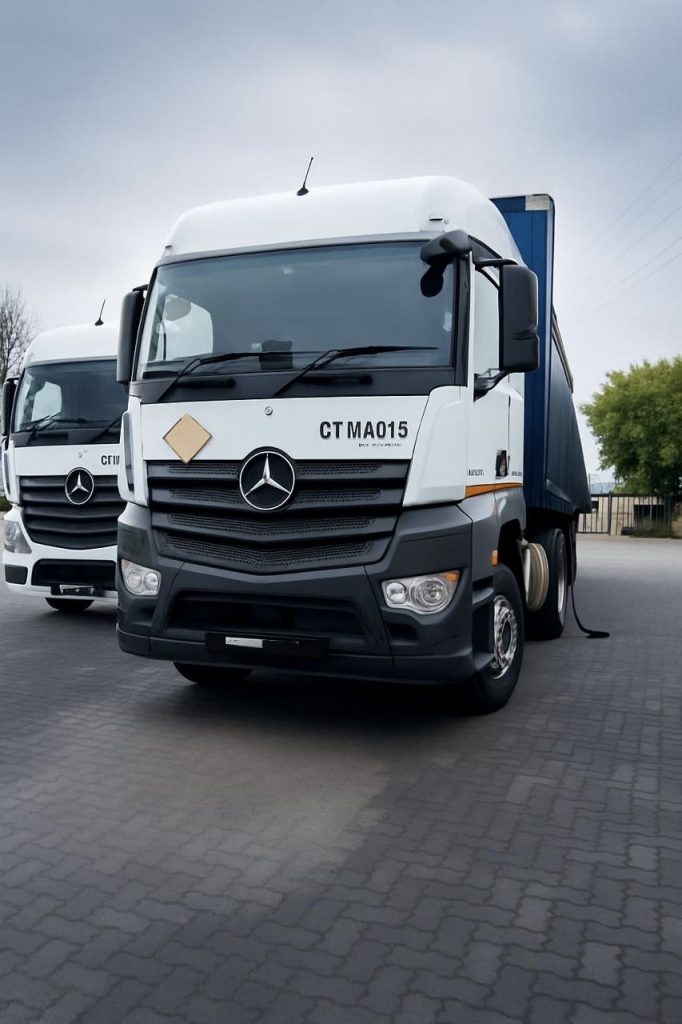
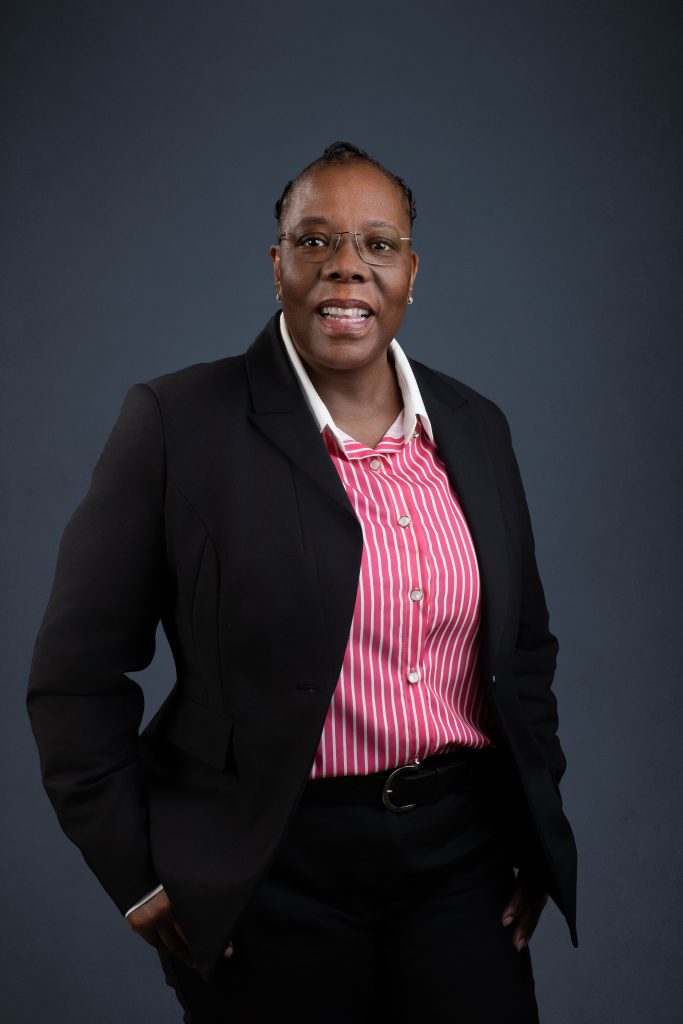
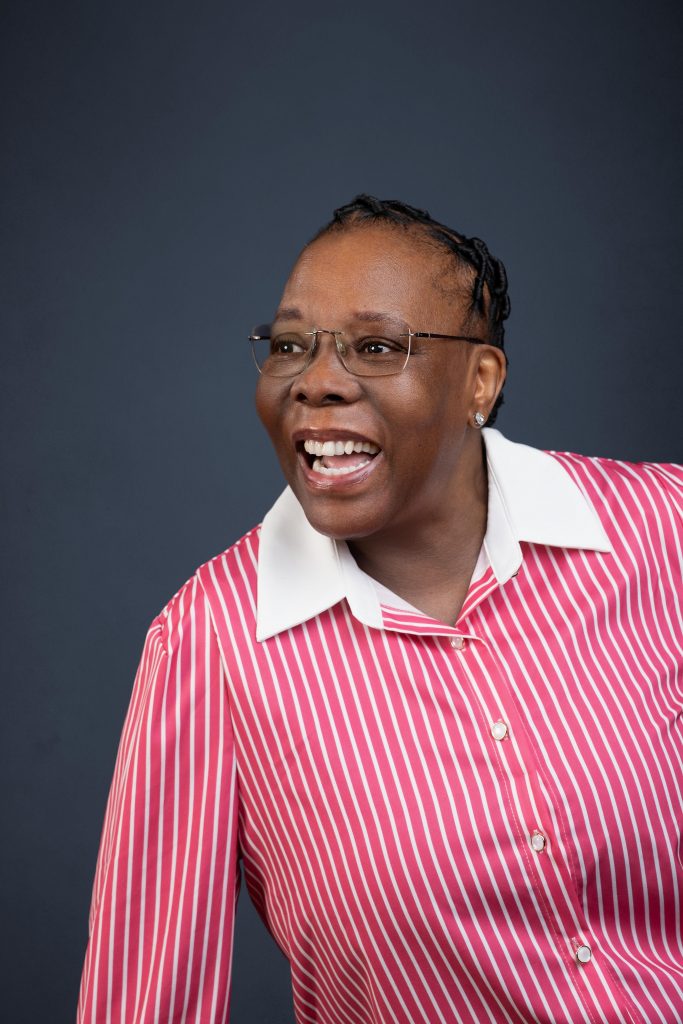
Today, Lolo Modise Papo serves as Group Managing Director within T-Marc Holdings, a business involved in logistics, distribution, and regional operations, including Silkcoat Southern Africa. Her responsibilities extend across operational management, strategic planning, and long term growth initiatives.
The scale of the work requires more than administrative leadership. It demands the ability to coordinate systems, manage people, and ensure efficiency across multiple areas of operation.
Her leadership style reflects the environments in which she developed. Expectations are clear, accountability is important, and performance is central.
“You cannot lead effectively if you do not understand pressure yourself,” she says.
Construction, logistics, manufacturing, and transport sectors are environments where women often have to establish credibility repeatedly, even after proving themselves. “That means your work must speak clearly.”
Instead of allowing that pressure to discourage her, she used it to sharpen her approach. Consistency, preparation, and delivery became essential parts of how she built her reputation.
Over time, her experience moved beyond operations into strategic leadership. Under her involvement, the business focus expanded towards long term sustainability, diversification, and growth. Vision 2030 became part of that direction, with a focus on building systems and operations that are designed to last.
“We are building for the future,” she explains. “Growth means very little if it cannot be sustained.”
Her perspective on leadership is closely linked to impact. Success is not measured only by financial outcomes, but also by the ability to create opportunities and contribute to broader economic development.
“Business must create value beyond profit,” she says. “It must create opportunities for people.”
That understanding is rooted in her own background. Coming from a working-class environment shaped her awareness of how employment, stability, and opportunity affect families and communities.
Her journey also reflects a broader shift taking place in South Africa. Increasingly, women are stepping into industries that were historically inaccessible to them, not only participating, but leading.
Still, the challenges remain real. Industrial sectors are demanding, competitive, and often resistant to change. Thriving in these spaces requires resilience, adaptability, and confidence built through experience.
For Lolo Modise Papo, those qualities were formed long before business titles entered the picture. They were formed on farms, in family struggles, on running tracks, and on scaffolding beside her father.
Those early experiences shaped how she works, how she leads, and how she views success.
“There is always more to learn and more to build,” she says.
Her story is not one of overnight success or symbolic achievement. It is a story of progression through work, discipline, and the willingness to step into difficult environments and succeed within them.
In industries where performance defines credibility, her position has not been granted through perception.
It has been earned.