Harvesting the Ocean Abalone Part 1
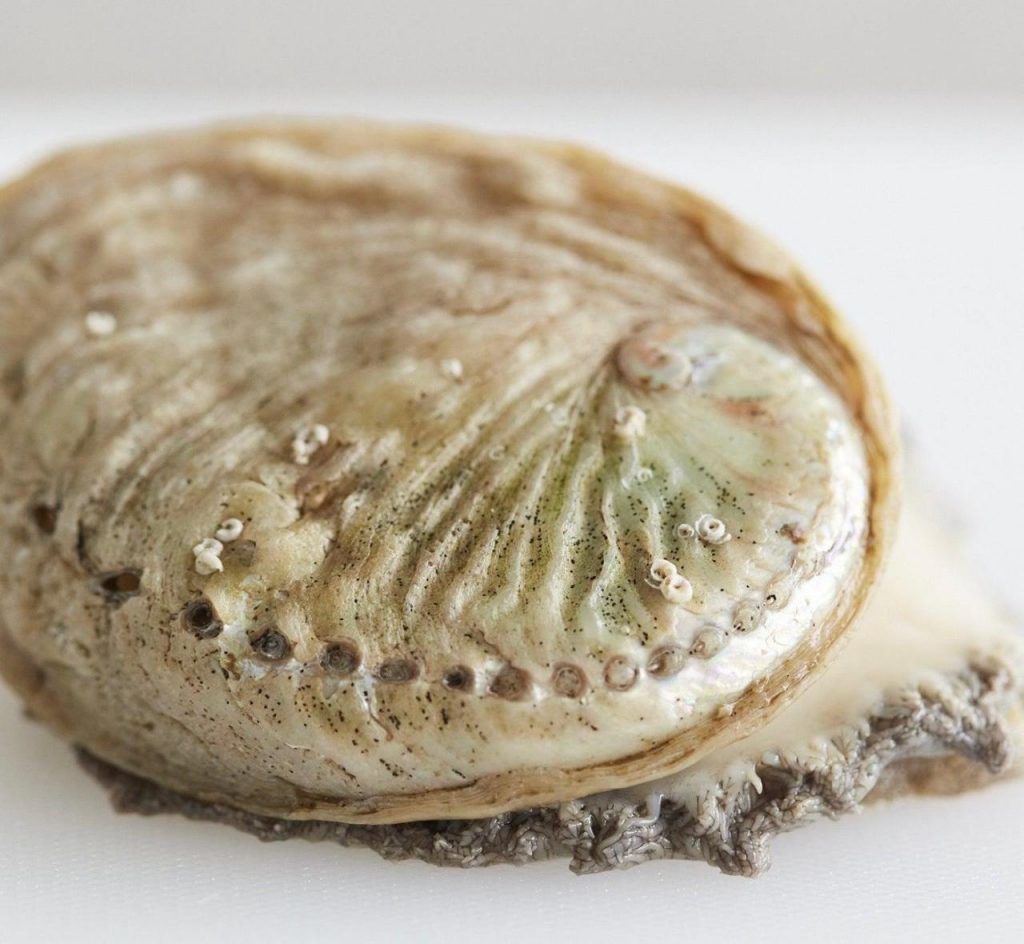
South Africa’s coastline tells many stories, but few are as complex and valuable as that of Abalone farming. Known locally as “perlemoen”,this marine delicacy has grown into one of the country’s most lucrative aquaculture products. Yet, behind its glossy export success lies a fragile industry shaped by risk, resilience, and ongoing challenges.
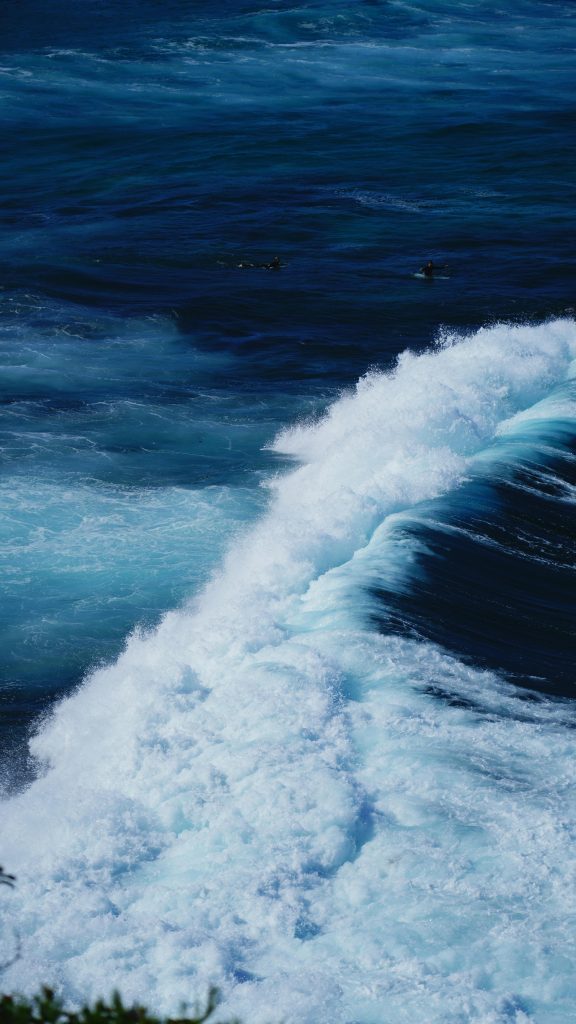
The ocean has long been seen as a source of wild harvest, unpredictable, vast, and difficult to manage. Yet along South Africa’s coastline, a quiet shift is taking place, one that is redefining how we think about food production. This series, Harvesting the Ocean, explores the rise of ocean agriculture, where innovation meets tradition, and where the sea is no longer only fished, but carefully farmed. In this first article, we turn to Abalone, a high-value species that reflects both the promise and the pressure of this emerging industry, offering a glimpse into a future shaped as much by risk as it is by opportunity.
South Africa’s coastline tells many stories, but few are as complex and valuable as that of Abalone farming. Known locally as “perlemoen”,this marine delicacy has grown into one of the country’s most lucrative aquaculture products. Yet, behind its glossy export success lies a fragile industry shaped by risk, resilience, and ongoing challenges.
Abalone aquaculture, as a structured industry, has strong roots in the United Kingdom’s early work in marine farming systems and hatchery science. Over time, these methods were adapted and refined in South Africa, particularly along the Western Cape, where cold, nutrient-rich waters provide ideal growing conditions. Today, the country stands among the world’s leading producers of farmed abalone, supplying high-end markets across Asia.
At first glance, abalone farming appears to be a success story. The product is in high demand, especially in countries like China, where it is considered a luxury food item associated with status and celebration. This demand has created a steady export market, bringing valuable foreign income into South Africa’s economy. For coastal towns, abalone farms have also created jobs and supported local development, offering an alternative to declining traditional fishing industries.
However, the industry is far from simple. Farming abalone is a slow and delicate process. Unlike many other aquaculture species, abalone take several years to reach market size. Farmers must carefully control water quality, temperature, and feeding systems to ensure healthy growth. Even small disruptions, such as power failures or water contamination, can result in significant losses.
Adding to this complexity is the ever-present threat of illegal poaching. Wild abalone populations along South Africa’s coast have been severely depleted over the years due to organised poaching syndicates. These operations are often highly sophisticated, involving networks that stretch from local divers to international smuggling routes. The illegal trade not only damages natural ecosystems, but also places additional pressure on legitimate farmers, who must compete with black market supply.
For many in the industry, poaching is more than an environmental issue, it is a matter of safety and survival. Coastal communities have seen an increase in crime linked to the illegal abalone trade, and enforcement efforts are often stretched thin. While government and private stakeholders continue to invest in monitoring and protection, the scale of the problem remains significant.
Despite these challenges, abalone aquaculture continues to show strong economic potential. One of its key strengths lies in its export value. Farmed abalone is carefully graded, packaged, and shipped to international buyers, often fetching premium prices. This makes it an attractive sector for investment, particularly in a country seeking to expand its agricultural exports.
Another advantage is the industry’s ability to operate in controlled environments. Unlike wild harvesting, aquaculture allows for consistent supply and quality. This reliability is highly valued in global markets, where buyers expect uniform products and dependable delivery schedules. As a result, South African abalone has built a reputation for excellence, helping to secure its place in competitive international markets.
There is also growing interest in innovation within the sector. Farmers are exploring new feeding methods, improved breeding techniques, and energy-efficient systems to reduce costs and increase sustainability. Some operations are even looking at integrating abalone farming with other forms of aquaculture, creating more balanced and resource-efficient systems.
Yet, the future of the industry will depend on how well it can manage its risks. Addressing illegal poaching remains a top priority, requiring stronger collaboration between government, law enforcement, and local communities. At the same time, farmers must continue to adapt to changing environmental conditions, including shifts in ocean temperature and water quality linked to climate change.
Education and community involvement will also play an important role. By creating awareness about the value of sustainable aquaculture, and by offering alternative livelihoods, the industry can help reduce the incentives that drive illegal harvesting. In this way, abalone farming can become not only a source of income, but also a tool for conservation and social development.
In many ways, the story of abalone aquaculture in South Africa reflects the broader challenges facing modern agriculture. It is a sector filled with opportunity, yet shaped by uncertainty. It requires patience, investment, and a long-term vision. Most importantly, it calls for a balance between economic growth and environmental responsibility.
As global demand for high-quality seafood continues to rise, South Africa is well positioned to strengthen its role in the abalone market. With the right support and careful management, this high-value industry can continue to grow, offering benefits that extend far beyond the coastline.