
The Silent Battle Between South African Farmers and Problem Animals
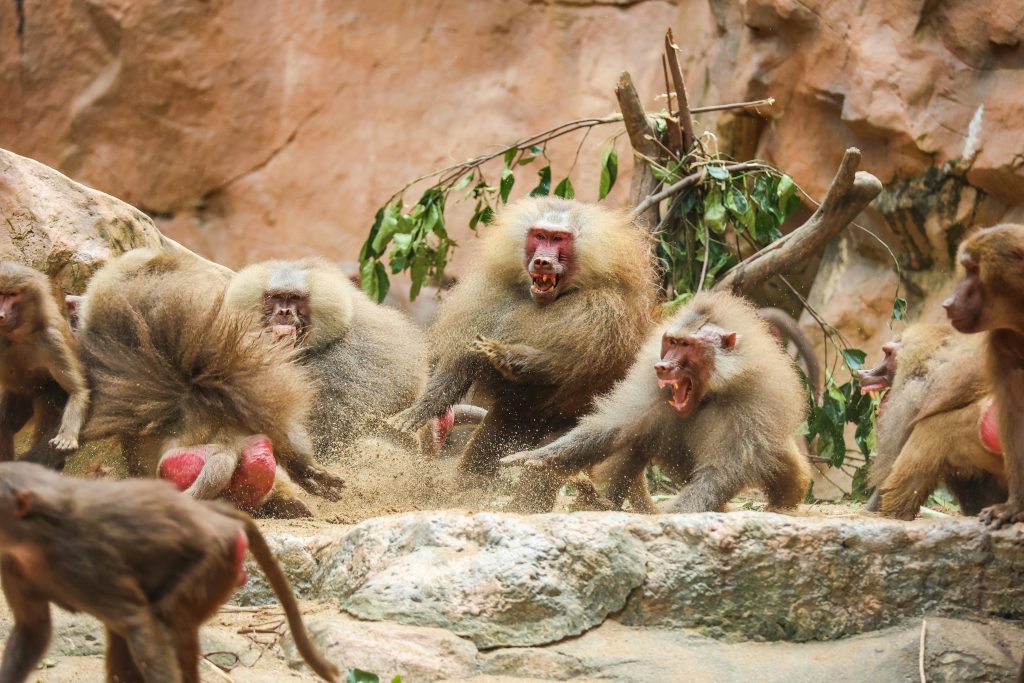
The types of animals that cause damage vary widely depending on the region and the type of farming. In fruit-producing areas such as the Western Cape, baboons, porcupines, and birds can cause extensive losses. Baboons have learned to open irrigation taps, tear protective nets, and strip fruit trees in a matter of hours. In grain and maize belts, large flocks of birds can devastate entire fields. Farmers in the Eastern Cape and KwaZulu-Natal struggle with bushpigs and warthogs digging up roots and damaging young plants, while in the Northern Cape and Limpopo, predators such as jackals, caracals, and leopards attack sheep, goats, and calves.
Across South Africa’s farmlands, where the earth tells stories of resilience and survival, farmers are fighting a daily and often unseen battle. It is not only against drought, market fluctuations, or rising production costs, but against animals that damage crops, attack livestock, or destroy infrastructure. This struggle has become a deeply emotional and complex issue that sits at the intersection of conservation and survival.
South African farmers have always shared their land with wildlife. From antelope grazing near fences to baboons stealing fruit, the balance between human needs and animal instincts has never been easy to maintain. In recent years, as urban expansion and habitat loss have pushed wild animals closer to farming areas, the conflict has intensified. Farmers are caught between protecting their livelihoods and respecting the wildlife that forms part of South Africa’s natural heritage.
The Scale of the Problem
The types of animals that cause damage vary widely depending on the region and the type of farming. In fruit-producing areas such as the Western Cape, baboons, porcupines, and birds can cause extensive losses. Baboons have learned to open irrigation taps, tear protective nets, and strip fruit trees in a matter of hours. In grain and maize belts, large flocks of birds can devastate entire fields. Farmers in the Eastern Cape and KwaZulu-Natal struggle with bushpigs and warthogs digging up roots and damaging young plants, while in the Northern Cape and Limpopo, predators such as jackals, caracals, and leopards attack sheep, goats, and calves.
Livestock losses are among the most painful for farmers. Each animal represents not only an economic investment but also months or years of care. When a predator kills a lamb or a calf, the loss is not measured only in money. It cuts deeply into the emotional connection many farmers have with their herds. For small-scale farmers, a single attack can erase months of hard work.
Balancing Conservation and Survival
What makes this issue so difficult is that South Africa’s wildlife is protected under strict conservation laws. Farmers cannot simply destroy problem animals without permits or approved methods. Conservation authorities emphasises the need for coexistence and humane management, while farmers face real financial strain from repeated losses.
This tension has given rise to heated debates. On one side are conservationists who stress the importance of protecting biodiversity and maintaining healthy ecosystems. On the other side are farmers who feel that the burden of wildlife protection falls unfairly on them. Many argue that the government’s policies do not provide enough practical solutions or compensation for losses.
Some farmers try to find middle ground through non-lethal control methods. They use guard animals such as Anatolian shepherd dogs, improved fencing, motion-sensor lights, and sound deterrents. In areas with fruit and vegetables, farmers install bird nets or reflective tape to scare off flocks. Yet these measures are expensive and not always effective. Wild animals quickly adapt, finding new ways to access food or bypass barriers.
Financial and Emotional Impact
The financial impact of wildlife damage can be devastating. A single troop of baboons can cause damage worth tens of thousands of rand in one day. A predator taking a few sheep every week adds up to significant losses over a season. Repairing damaged fences, replacing irrigation pipes, or replanting destroyed crops adds to the costs.
For many farmers, it is not only about the money but about the constant stress and helplessness they feel. Watching the fruits of one’s labour destroyed overnight can lead to frustration and even despair. The emotional toll is rarely discussed, yet it is a growing concern in rural communities already burdened by economic uncertainty and isolation.
Some farmers have resorted to desperate measures, taking the law into their own hands to protect their livelihoods. This leads to conflict with conservation authorities and sometimes even criminal charges. It is a sign of how dire the situation can become when people feel unheard or unsupported.
Searching for Solutions
Across the country, researchers, conservationists, and farmer organisations are working to find practical ways to reduce conflict. One promising approach is community-based conservation, where local farmers and wildlife authorities collaborate to manage both land and animals. By monitoring predator populations, sharing information, and coordinating response plans, they can reduce losses while still protecting wildlife.
There are also calls for compensation schemes similar to those used in parts of Europe, where farmers who lose livestock to protected predators receive payment from the state or conservation funds. While such a system would require strong management and transparency, it could help ease tensions and encourage farmers to report incidents rather than hide them.
Education and awareness campaigns also play a role. By understanding animal behaviour and migration patterns, farmers can take preventative steps during high-risk seasons. For example, moving lambing pens closer to the homestead during certain months, or harvesting fruit slightly earlier to avoid peak baboon raids, can make a difference.
The Role of Technology
Modern technology offers new hope for managing the problem. Motion-detecting cameras help farmers monitor wildlife activity and identify problem species. Drones are being used in some areas to chase away birds or track predators at night. Researchers are also experimenting with sound-based deterrent systems that emit predator calls or distress signals to keep animals away from crops.
While technology brings potential solutions, it also brings new costs. Many small-scale farmers cannot afford such systems. This is why partnerships between private companies, research institutions, and government agencies are essential. Without financial support and training, the benefits of technology will remain out of reach for those who need them most.
Living with Nature
At the heart of this issue lies a truth that every South African farmer understands: farming is not separate from nature. It is part of it. The challenge is to find a way for people and wildlife to share the same land without destroying each other’s futures. This requires patience, innovation, and empathy from both sides of the debate.
For many farmers, the dream is not to eliminate wildlife but to live in harmony with it. They recognise the beauty and value of the animals that roam their fields and mountains. What they seek is fairness and support in managing the damage these animals can cause.
South Africa’s landscapes have always been home to both farmers and wild creatures. The survival of both depends on balance. If that balance tips too far in either direction, the country stands to lose something precious. It’s wildlife or its agricultural strength.
A Shared Responsibility
The responsibility to protect both farming livelihoods and wildlife should not rest solely on the shoulders of farmers. It is a national concern that requires cooperation from government, conservation agencies, and the public. Consumers who enjoy fresh produce and meat should understand the complex challenges behind the products they buy.
Supporting local farmers through fair pricing, encouraging ethical conservation practices, and promoting dialogue between rural communities and wildlife managers are steps toward lasting solutions. The future of South Africa’s farmlands depends on unity of purpose, not division.
In the end, the struggle between animal protection and agricultural survival is not a fight to be won, but a balance to be nurtured. It is a test of South Africa’s ability to value both its people and its natural world. Farmers know better than most that nature gives and takes in equal measure. Their hope is that with understanding, innovation, and shared effort, both sides of this fragile equation can continue to thrive.