A seat in the city: Why public seating shapes how we experience Cape Town’s Inner City
“We want our back to something. We want to sit under a tree and people-watch while feeling safe,” Thompson shared.
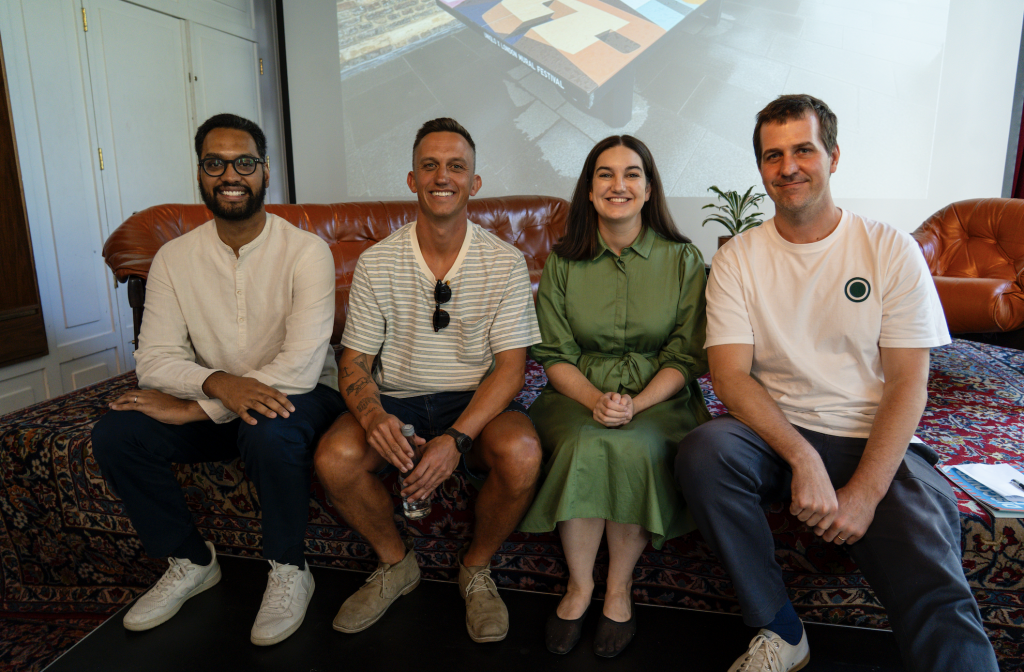
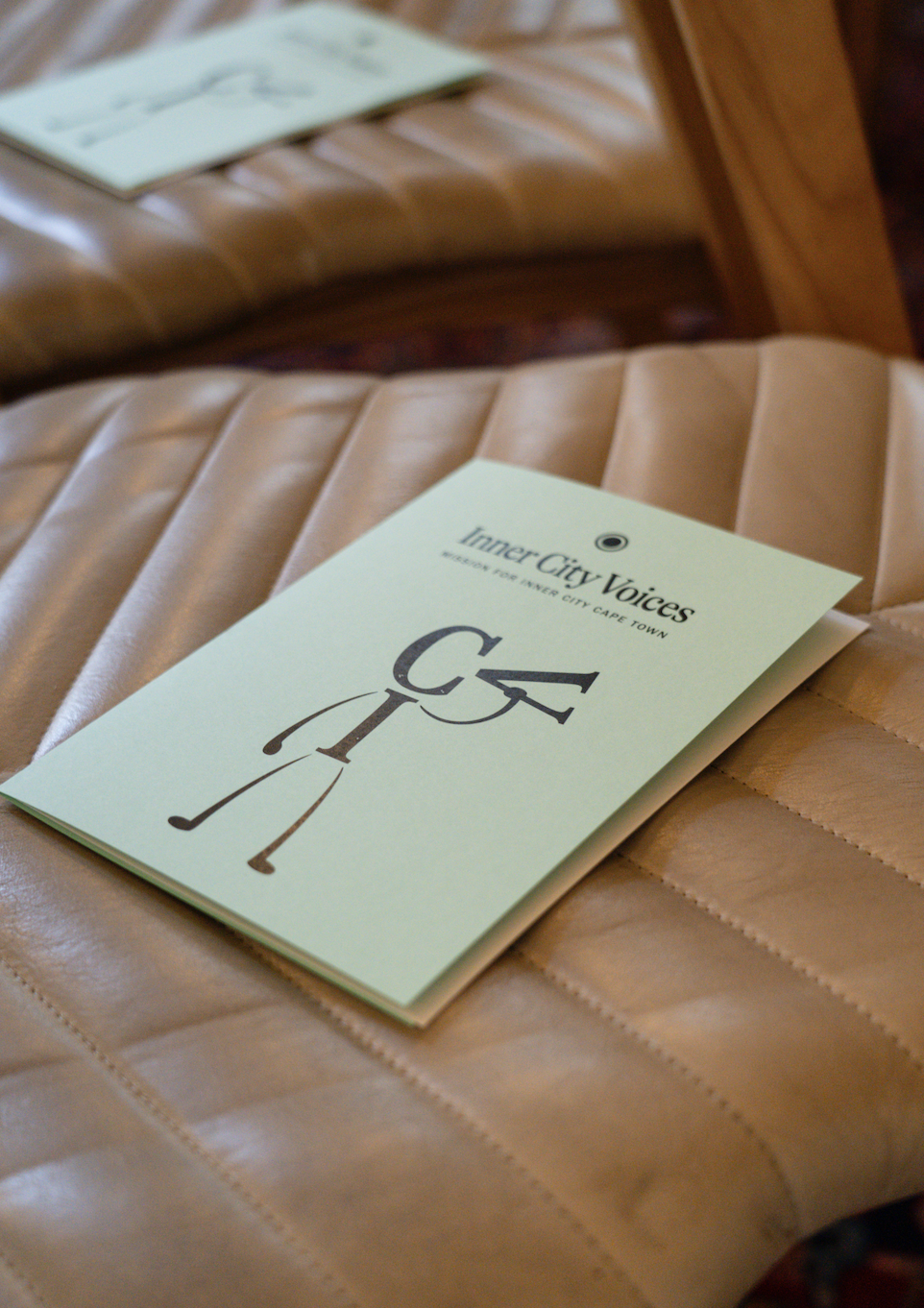
As part of Cape Town Furniture Week, The Mission for Inner City Cape Town hosted a special Urban Design edition of its Inner City Voices series asking a deceptively simple question: Does the seating in our city make us feel welcome?
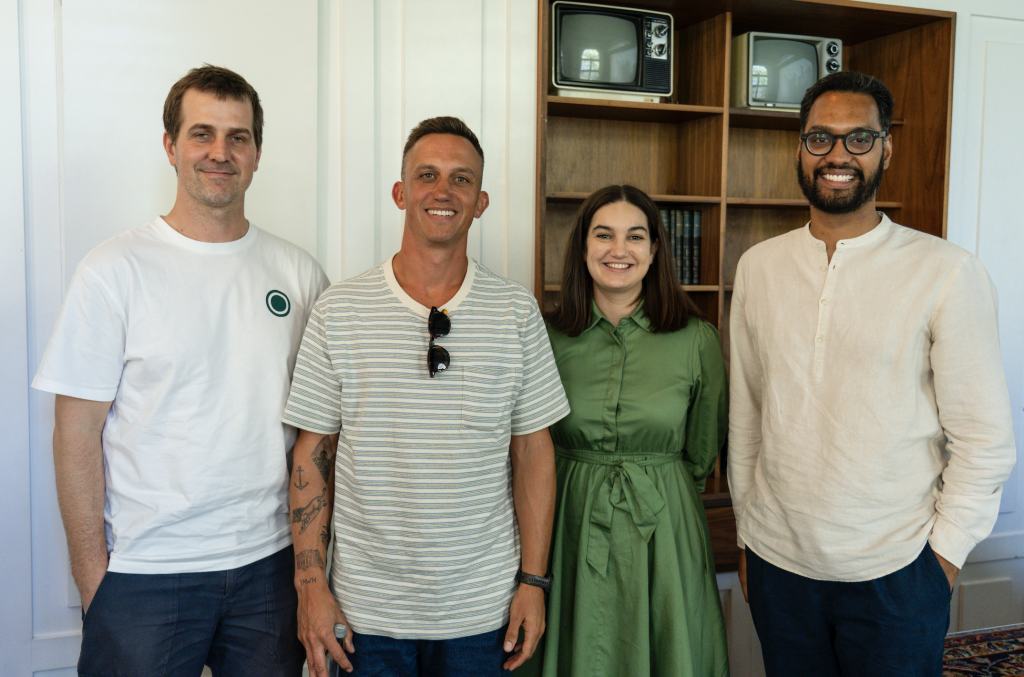
Moderated by Gareth Pearson of The Mission for Inner City CT and Cape Town Furniture Week, the panel brought together leading voices in design and urban development:
- Amy Thompson, Yes And Studio
- Luke Pedersen, Pedersen + Lennard
- Anees Arnold, Urban Design, City of Cape Town
Together, they unpacked how something as simple as a bench can determine whether a space feels safe, inclusive or avoided.
One of the clearest insights from the discussion was that seating is never neutral. People instinctively look for:
- A sense of protection (their back to a wall or solid structure)
- Shade in summer and sun in winter
- The ability to observe public life without feeling exposed
“We want our back to something. We want to sit under a tree and people-watch while feeling safe,” Thompson shared.
Spaces such as Company’s Garden and parts of Greenmarket Square were highlighted as examples where tree canopy, active edges and comfortable benches invite people to stay. But even these spaces offer opportunities for more intentional design.
The panel referenced the “Power of 10+” principle which is the idea that successful public spaces offer multiple reasons to linger.
Seating alone is not enough.
Programming, identity and flexibility matter just as much. A square should allow for quiet rest, play, markets, events and informal gatherings. It should evolve across seasons and times of day.
“Not all spaces must do the same thing,” Arnold noted. “But each space needs to be intentional about its role in the city.”
Several Inner City squares – particularly those currently functioning primarily as parking areas – were identified as low-hanging fruit for activation through small-scale, layered interventions.
Beyond aesthetics, the panel also addressed the practical challenges of designing for public space:
- Who owns the bench?
- Who repairs it?
- Is it replaceable when damaged?
Pedersen reflected on how easily the design process can become dominated by functionality and theft-proofing, sometimes at the expense of comfort. “There’s a tension,” he noted. “As designers, we often service a minority of South Africans who can afford to buy our furniture. Designing for public space reminds us it’s a privilege to contribute to something that serves everyone.”
Arnold echoed this, highlighting the importance of repairability and cross-sector collaboration. “What is the role of government? What is the role of private business? How do we create furniture that can be repaired and not just replaced?”
He also raised the value of water and other “free assets” in public space from fountains to historic waterways, asking how Cape Town might better integrate sound, cooling and sensory elements into seating environments.
One of the most powerful moments of the conversation was the story of “Violet’s Walk” in Woodstock, a project inspired by a 90-year-old resident who walked daily for her health.
Pedersen + Lennard installed 12 fold-down benches attached to private properties along her route, creating rest points that supported both her mobility and broader community connection.
For Thompson, this story resonated deeply. “I’m heartened by Violet’s Walk,” she said. “It’s a reminder that we need different voices and different uses for seating. When we listen more widely, we design better.”
The project demonstrated how relatively small, collaborative interventions can unlock dignity, accessibility and public life without waiting for large-scale infrastructure overhauls.
As Cape Town’s Inner City continues to grow as a residential neighbourhood, the conversation also turned to children, families and multi-generational design.
- How high should a bench be?
- Does it include a backrest?
- Can children use it safely?
- Is it comfortable for elderly residents?
“If you designed a city for kids,” Pearson noted in closing, “you’d make it better for everyone.”
Arnold reinforced the importance of accommodating multiple stakeholders and generations in public space design and ensuring those voices are brought into the process from the start.
The discussion forms part of The Mission for Inner City Cape Town’s broader placemaking agenda, positioning public life as a driver of urban regeneration.
Following the panel, The Mission confirmed it will be launching SIT(E) – a site-specific public furniture initiative that will introduce a series of Inner City seating interventions informed directly by these insights.
The goal is simple but ambitious: to create a walkable, welcoming Inner City where public seating supports safety, connection and belonging.
As the panel made clear, a bench is never just a bench. It is an invitation or a barrier, and Cape Town’s next chapter may well depend on how intentionally we design that invitation.
To explore partnership opportunities or to learn more about the Mission for Inner City Cape Town visit www.missionforinnercity.org or follow @missionforinnercityct on Instagram and LinkedIn.
About The Mission for Inner City CT
The Mission for Inner City Cape Town is a new non-profit entity designed to enhance and promote South Africa’s most successful Inner City by bringing government, businesses, and people together to reimagine and revive our streets and public spaces for all.
At the heart of The Mission is the belief that the Inner City is not just a physical space, but a living, evolving environment created by those who use it. The Mission will work to unlock the full potential of the Inner City by delivering innovative placemaking interventions and effective destination marketing in collaboration with the City of Cape Town, Central City Improvement District (CCID), and other agencies and initiatives.
Visit www.missionforinnercity.org